Essential Practices to Keep Your Outdoor Spaces Thriving
Maintaining a beautiful landscape requires dedication and regular care. Whether you are a homeowner or manage a commercial property, understanding the essential tasks needed for healthy landscaping is crucial. These tasks not only enhance the visual appeal of your outdoor spaces but also contribute to the overall health of your plants and lawns. In this guide, we will explore some core practices that can help maintain vibrant and lush landscapes throughout the year.
Lawn Care Basics
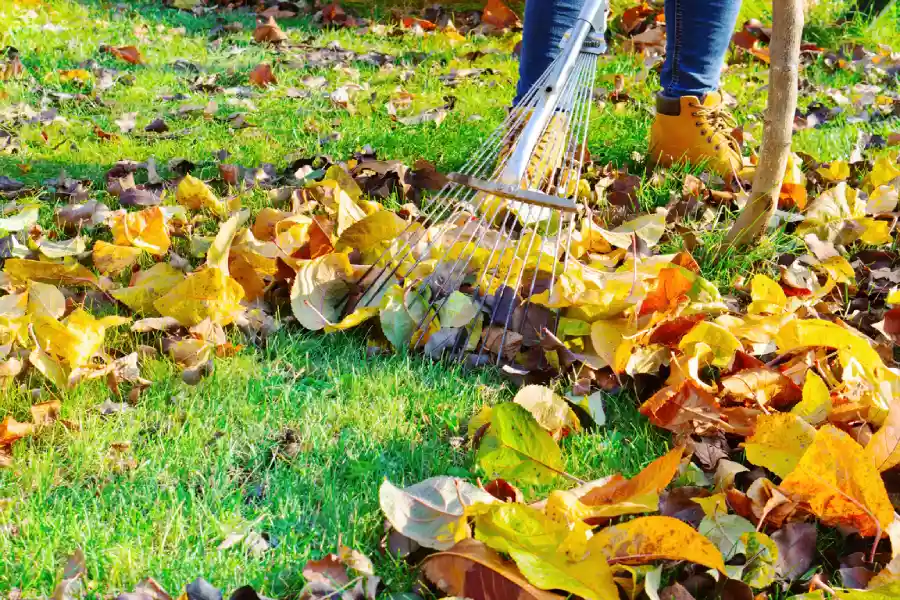
Caring for your lawn goes beyond just mowing. Regular activities such as watering, fertilizing, and aerating play a vital role in promoting grass health. Adequate watering ensures that roots grow deep, making your lawn more drought-resistant. Meanwhile, fertilizers provide the necessary nutrients for growth, while aeration helps combat soil compaction, allowing air and water to penetrate deeper. Each of these tasks should be part of your routine yard maintenance schedule.
The Importance of Pruning
Pruning is an essential task that involves removing dead or overgrown branches from trees and shrubs. This not only improves the plant’s appearance but also promotes healthy growth by letting sunlight reach all parts of the plant. Proper pruning helps prevent diseases and pest infestations, ensuring that your plants remain robust. Yard maintenance includes pruning as a key component because it directly impacts plant longevity and vitality.
Mulching for Healthier Plants
Applying mulch around trees, shrubs, and flower beds provides numerous benefits. Mulch retains moisture in the soil, controls weeds, and moderates temperature fluctuations. It acts as a protective layer that shields roots from harsh weather conditions. Moreover, organic mulches decompose over time, adding valuable nutrients back into the soil. By integrating mulching into your regular landscape management, you create a healthier environment for your plants.
Pest Control Measures
Pests can wreak havoc on even the most meticulously maintained gardens. Implementing pest control measures is critical to protect your investment. Natural solutions like introducing beneficial insects can reduce harmful pests without damaging the ecosystem. Additionally, using insecticidal soaps or horticultural oils can effectively manage outbreaks when they occur. Staying vigilant about pest activity allows you to respond quickly and minimize damage.
Seasonal Planting Strategies
Selecting the right plants for each season ensures your garden stays colorful and lively year-round. Consider planting perennials that bloom at different times to maintain continuous interest in your landscape. Plan ahead by researching which species thrive in your region’s climate and soil conditions. Seasonal planting not only enhances aesthetic value but also supports biodiversity within your garden.
- Regularly check local gardening guides for regional advice.
- Choose native plants for easier maintenance.
- Rotate annuals based on their peak growing seasons.
Water Conservation Tips
Conserving water is both environmentally friendly and cost-effective. Implementing efficient irrigation systems like drip lines reduces wastage by delivering water directly to the plant’s base. Installing rain barrels to collect runoff during storms provides an alternative water source during drier months. These methods help you use resources wisely while keeping your landscape lush.
- Install soaker hoses for targeted watering.
- Adjust sprinklers regularly to avoid overspray.
- Group plants with similar water needs together.
Your Path to a Beautiful Landscape
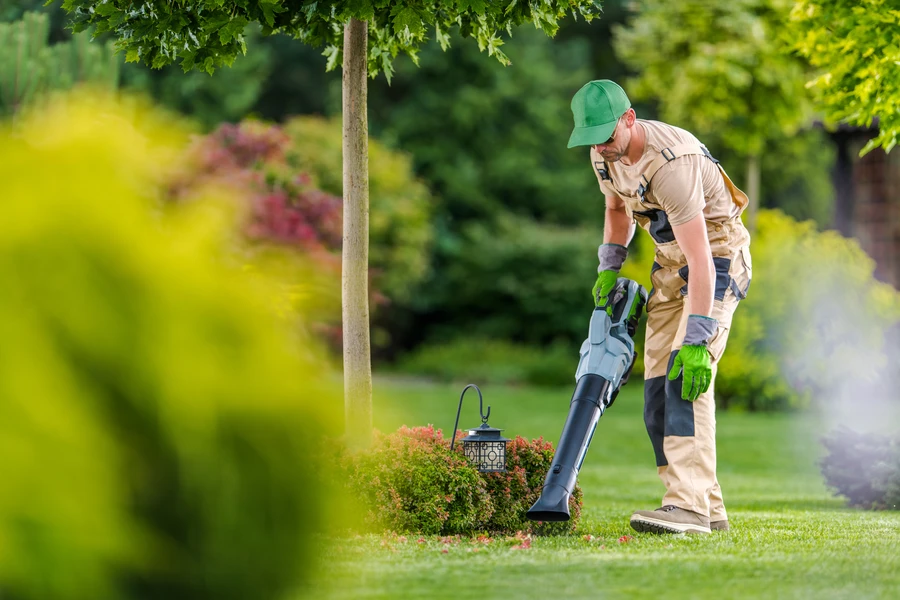
If you want to transform your outdoor space into a thriving oasis, understanding and implementing these common practices is essential. Contact me today at (770) 892-0281 to discuss how Huber Outdoor Specialist LLC can assist with maintaining your perfect garden. Based in Winder, GA, I offer expert guidance tailored to meet your unique landscaping needs.